-

Chuck Chan, stem cell researcher who discovered how to regrow cartilage, dies at 48
The Stanford Medicine researcher was known for his groundbreaking work and his generous spirit as a mentor and colleague.
-

How AI improves physician and nurse collaboration
A new artificial intelligence model helps physicians and nurses work together at Stanford Hospital to boost patient care.
News & Research
-
New epilepsy target
Researchers find that a little-understood part of the brain appears to be involved in starting seizures and keeping them going.
-

Former medical school dean dies
David Korn devoted nearly 30 years to Stanford Medicine as chair of pathology and dean of the medical school, overseeing the rise to national prominence amid tumultuous and historic change.
-
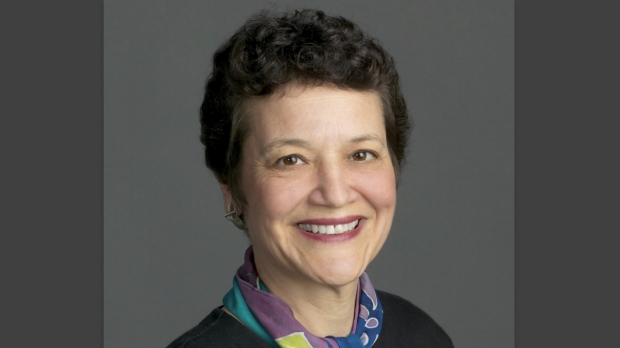
Elizabeth Mellins dies
Mellins, who studied autoimmune disease and co-founded a large pediatric rheumatology research network, was a tireless mentor and advocate for her field.
-

Psychosis starts in two brain systems
When the brain has trouble filtering incoming information and predicting what’s likely to happen, psychosis can result, Stanford Medicine-led research shows.
-

AI advice helps skin cancer diagnoses
Artificial intelligence algorithms powered by deep learning improve skin cancer diagnostic accuracy for doctors, nurse practitioners and medical students in a study led by the Stanford Center for Digital Health.
-
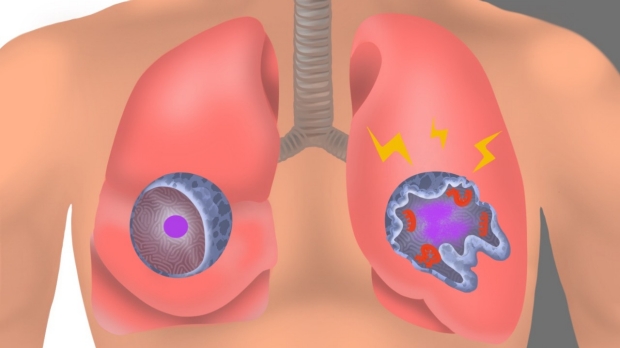
Unexpected cells may spread COVID-19
A previously overlooked type of immune cell allows SARS-CoV-2 to proliferate, Stanford Medicine scientists have found. The discovery has important implications for preventing severe COVID-19.
-
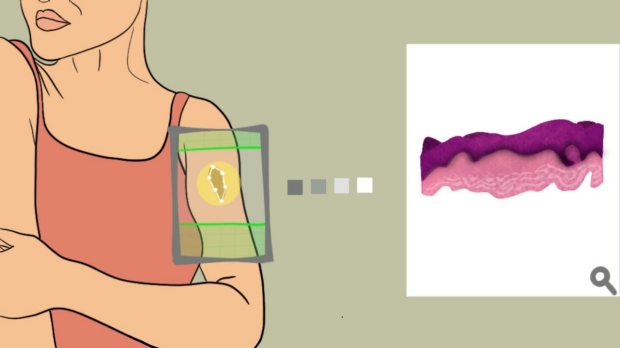
Virtual biopsy shows promise
Stanford Medicine researchers develop a new imaging method to create a cell-by-cell reconstruction of skin or other tissue without taking a biopsy.
-
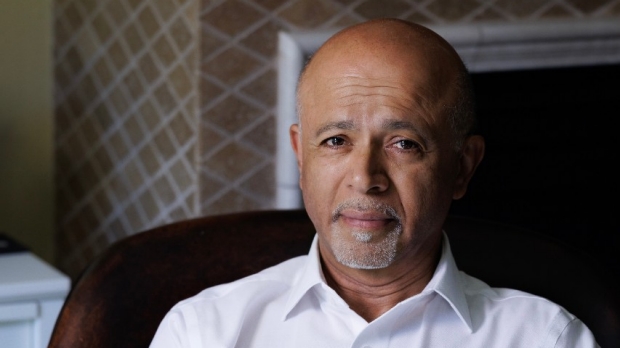
Verghese to give graduation keynote
Bestselling author and proponent of humanistic care Abraham Verghese will be the keynote speaker at the Stanford School of Medicine graduation ceremony.
-
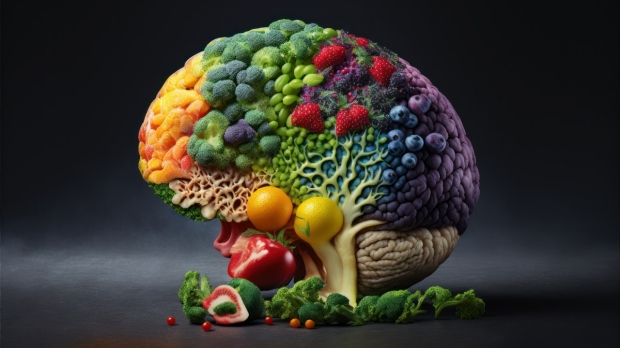
Keto diet helps mental illness
A small clinical trial led by Stanford Medicine found that the metabolic effects of a ketogenic diet may help stabilize the brain.
-
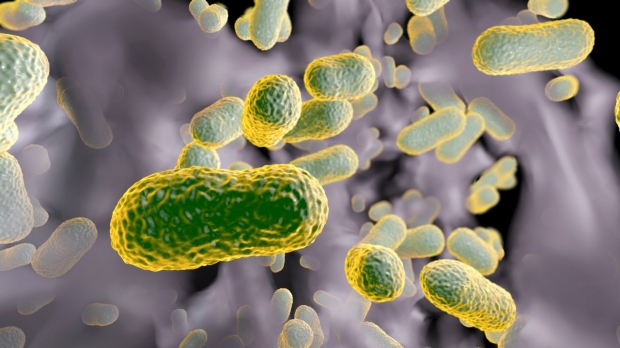
AI tackles antibiotic resistance
Stanford Medicine researchers devise a new artificial intelligence model, SyntheMol, which creates recipes for chemists to synthesize the drugs in the lab.

Other Stanford
Medicine News
Stanford Medicine Children’s Health Welcomes New Chief of the Division of Abdominal Transplantation
Marc Melcher, MD, has been appointed the new Chief of the Division of Abdominal Transplantation at Stanford Medicine. In his new role, he oversees all aspects of abdominal transplant programs, including liver, kidney, and small bowel transplantation at Stanford Medicine Children’s Health.
Stanford faculty named AAAS Fellows
Seven Stanford faculty are among the 502 new fellows of the American Association for the Advancement of Science.
Stanford Scientists and Children’s Hospital of Philadelphia Identify Protein That Controls CAR-T Cell Longevity
Cancer scientists at Stanford and the Children’s Hospital of Philadelphia (CHOP) identified a protein, FOXO1, that improves the survival and function of CAR-T cells, which may lead to more effective CAR-T cell therapies and could potentially expand its use in difficult-to-treat cancers.
A new RNA editing tool could enhance cancer treatment
The new study found that an RNA-targeting CRISPR platform could tune immune cell metabolism without permanent genetic changes, potentially unveiling a relatively low-risk way to upgrade existing cell therapies for cancer.
SPARK publishes manuscript in Nature Biotechnology
SPARK has published a paper in the journal Nature Biotechnology describing the unique community and methods the program has developed to address challenges in translating academic discoveries to medical products.
In Cardiology Trial, Doctors Receptive to AI Collaboration
Doctors worked with a prototype AI assistant and adapted their diagnoses based on AI’s input, which led to better clinical decisions.
A New Era of Cardiovascular Care: Insights from Dr. Joseph Wu
As we observe American Heart Month this February, Joseph Wu, MD, PhD, shares his insights into the current state of cardiovascular medicine and what the future might hold for treating and preventing heart disease.
Equipping doctors to save lives when resources are scarce
Stanford Surgeon Sherry Wren’s International Humanitarian Surgical Skills Course, now in its tenth year at Stanford, has equipped hundreds of surgeons and healthcare providers with the unique skills and knowledge they need to save lives in conflict zones and low-resource settings.
IntroSem reveals the magic of medical imaging
An introductory seminar dives into the technologies behind the shadowy photos of anatomy that give clinicians a window into our most personal of spaces.